
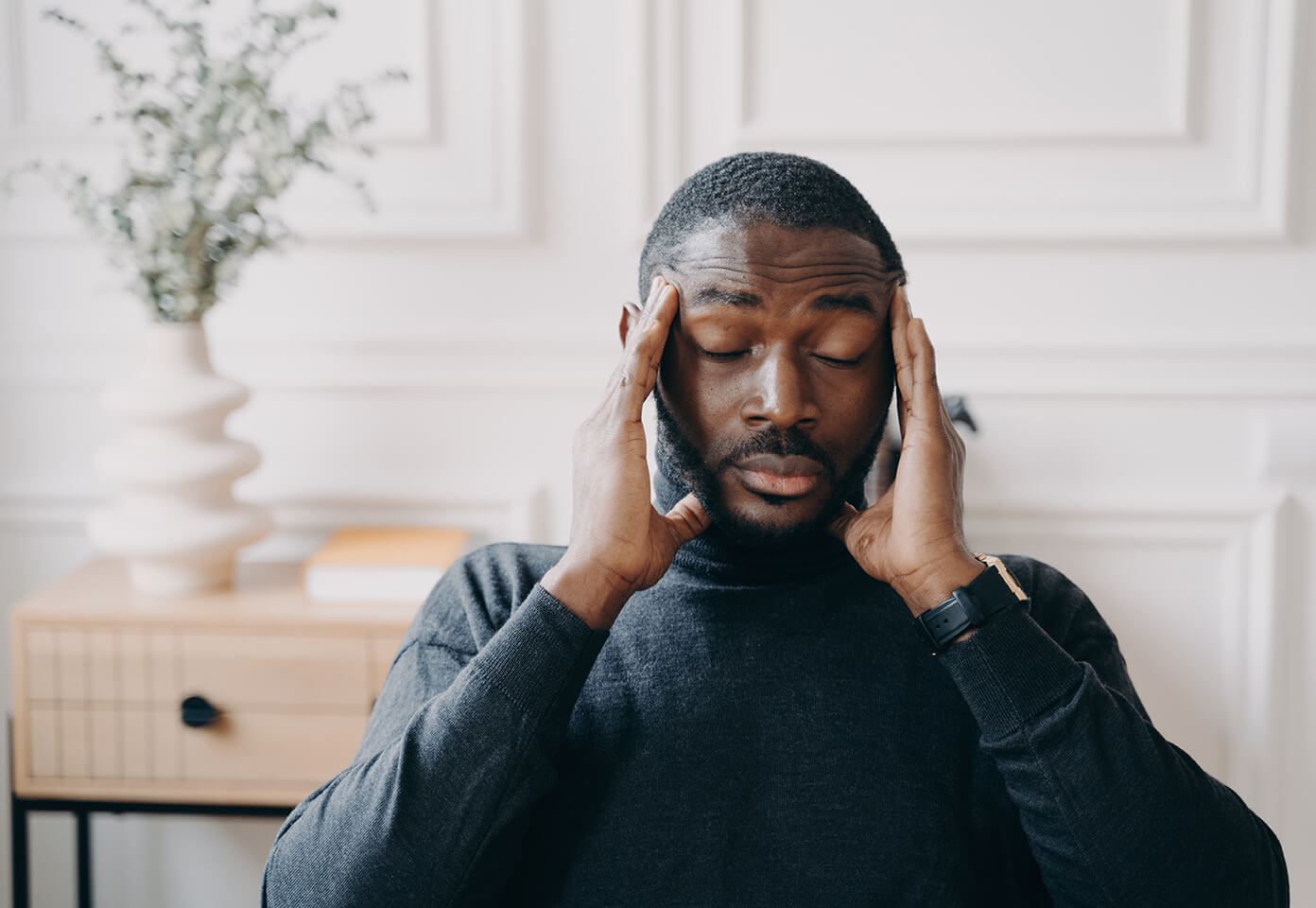
Nowadays, stress is a usual part of our lives, and everyone experiences it at one point or another. However, when stress becomes chronic, it can have negative effects on both physical and mental health. Therefore, it is important to find ways to manage and reduce stress. So, what can relieve your stress? Here we have some of the most effective yet safe stress relievers that you can rely on.
What Are the Signs of Stress?
There are several signs and symptoms that can indicate that you are experiencing stress. Some common physical and emotional signs of stress include:
Physical Signs:

- Headaches
- Stomachaches or digestive issues
- Fatigue or feeling tired all the time
- Difficulty sleeping
- Difficulty concentrating
- Rapid breathing or heart rate
- Muscle tension or soreness
Emotional Signs:

- Anxiety or worry
- Irritability or anger
- Depression or feeling down
- Low self-esteem
- Difficulty making decisions
- Loss of interest in activities you normally enjoy
- Changes in appetite or weight
If you are experiencing any of these signs and symptoms on a regular basis, it may be a sign that you are experiencing stress. It’s important to take care of yourself and seek help if you are struggling to manage your stress.
Stress Relievers
Here we have a list of the most effective and safe stress relievers that you can use in your daily life.
1. Physical Activity and Exercises

Exercise is one of the best stress relievers because it releases endorphins, which are chemicals that improve mood and reduce stress. Exercise can be as simple as going for a walk or jogging, or it can be a more structured activity like lifting weights or taking a yoga class.
2. Breathing Techniques

Deep breathing is a simple but extremely effective stress-reduction technique that can be done anytime, anywhere. Whether you are at home, in your office, or on vacation.
To do deep breathing, sit in a comfortable position with your eyes closed and take slow, deep breaths in through your nose and out through your mouth. Focus on the sensation of the breath entering and leaving your body, and try to clear your mind of other thoughts.
3. Meditation

Meditation is a practice that involves focusing the mind on a specific thought, object, or activity to achieve a state of relaxation and calm. And that’s one of our main goals. There are many different types of meditation, including mindfulness meditation, which involves paying attention to the present moment without judgment, and transcendental meditation, which involves repeating a mantra to achieve a state of relaxation.
4. Active Hobby

Engaging in hobbies or activities that you enjoy can be a great way to relieve stress. Whether it’s painting, gardening, cooking, or playing an instrument, taking time to do something you enjoy can help to distract you from stressors and bring a sense of enjoyment and relaxation.
5. Full Healthy Sleep

Lack of sleep can contribute to stress and make it harder to cope with daily challenges. Aim for 7-9 hours of sleep each night and create a relaxing bedtime routine to help you fall asleep. Avoid screens before bedtime, as the blue light emitted by screens can disrupt your body’s natural sleep-wake cycle.
6. Healthy Diet

A healthy diet can help to reduce stress by providing your body with the nutrients it needs to function properly. Aim to eat a variety of fruits, vegetables, whole grains, and lean proteins. Avoid processed foods, sugary snacks, and caffeine, as these can contribute to feelings of stress and anxiety.
7. Social Connections

Connecting with friends and loved ones can provide a sense of belonging and support, which can help to reduce stress. If you’re feeling isolated or lonely, try reaching out to friends and family or joining a support group.
8. Breaks & Vacations

Taking breaks from work or other stressors can give you a chance to recharge and come back feeling refreshed. Take a few minutes to step away from your desk and go for a walk or spend some time outside.
When you feel that even small breaks are not effective, it’s a perfect time to think about the vacation. It is highly recommended to go to another city or even to another country.
9. Relaxation Techniques Practices

There are many relaxation techniques that can help to reduce stress, including progressive muscle relaxation, visualization, and guided imagery. These techniques involve focusing on relaxing specific muscle groups or creating a peaceful mental image to help you feel more relaxed.
11. Watching Movies

There are plenty of movies that can help you relax and take your mind off of stress. Here are a few ideas for movies that may help you relax and unwind:
Romantic comedies: Romantic comedies can be a great way to relax and feel good. These movies often have lighthearted storylines and happy endings, which can be uplifting and help to reduce stress.
Nature documentaries: Watching a nature documentary can be a great way to escape from the stress of everyday life and immerse yourself in the beauty of the natural world.
Animated movies: Animated movies can be a great choice for relaxing because they often have cute and colorful characters and storylines that are easy to follow.
Comedy movies: Laughing can be a great way to reduce stress, and comedy movies can provide a much-needed dose of humor and levity.
Classic movies: Classic movies that have stood the test of time can be a great choice for relaxation because they often have timeless storylines and characters that are easy to relate to.
It’s important to choose a movie that speaks to you and that you will enjoy watching. Don’t be afraid to try out different genres and see what works best for you.
12. Listening to a Music

Music can be a powerful tool for reducing stress and promoting relaxation. Different types of music can have different effects on the body and mind, so it’s important to choose the right music for your needs. Here are a few types of music that may help to reduce stress:
- Classical music: Classical music has a reputation for being calming and relaxing. It often has a slow tempo and a regular rhythm, which can help to slow down the heart rate and reduce stress.
- Nature sounds: Listening to the sounds of nature, such as ocean waves or a babbling brook, can be very calming and help to reduce stress.
- Instrumental music: Music without lyrics can be a good choice for relaxation because it allows you to focus on the music itself rather than getting caught up in the words.
- Smoothing music: Music with a slower tempo and soothing melodies can help to relax the mind and body.
- Music with a positive message: Listening to music with positive lyrics can help to improve your mood and reduce stress.
13. Talk to Professionals

Sometimes our stress is more strong, than our motivation and self-control. And everything you are trying does not work. If stress is affecting your daily life and you’re unable to find relief through self-care techniques, it may be helpful to seek professional help. A mental health professional can work with you to identify the sources of your stress and develop strategies to manage it.
There are several types of professionals who can provide support and guidance for managing stress:
- Psychologists: Psychologists are trained to help people understand and manage their emotions, thoughts, and behaviors. They can provide counseling and therapy to help you identify the sources of your stress and develop strategies for managing it.
- Psychiatrists: Psychiatrists are medical doctors who specialize in mental health. They can provide medication and therapy to help you manage stress and other mental health conditions.
- Social workers: Social workers can provide support and resources to help you manage stress and other challenges in your life. They can help you connect with community resources and provide guidance on coping with stress.
- Counselors: Counselors are trained to help people work through their emotions and problems. They can provide support and guidance to help you manage stress and improve your overall well-being.
It’s important to find a professional who you feel comfortable talking to and who has experience working with people who are struggling with stress. And remember, there is nothing to be ashamed of. Asking for professional help is a normal thing in our day-to-day life.
Useful Takeaways
Keep in mind, that stress is a part of our life. We get nervous because of our jobs, health, failures, communication with other people, etc. Sometimes, even small things like long-term uncertainty may transform into continuous stress.
Remember, it’s important to find a stress-relief technique that works for you and to practice it regularly. Don’t be afraid to try out different techniques and see what works best for you (whether it’s meditation, sports, watching movies, or reading books). With some effort and practice, you can effectively manage stress and improve your overall well-being.
Although, there can be a moment when you feel you cannot handle your stress on your own. In this case, don’t be afraid to ask for help. Talk to your friends, and relatives, or use professional help. It’s always better to address stress early on before it becomes a bigger problem.